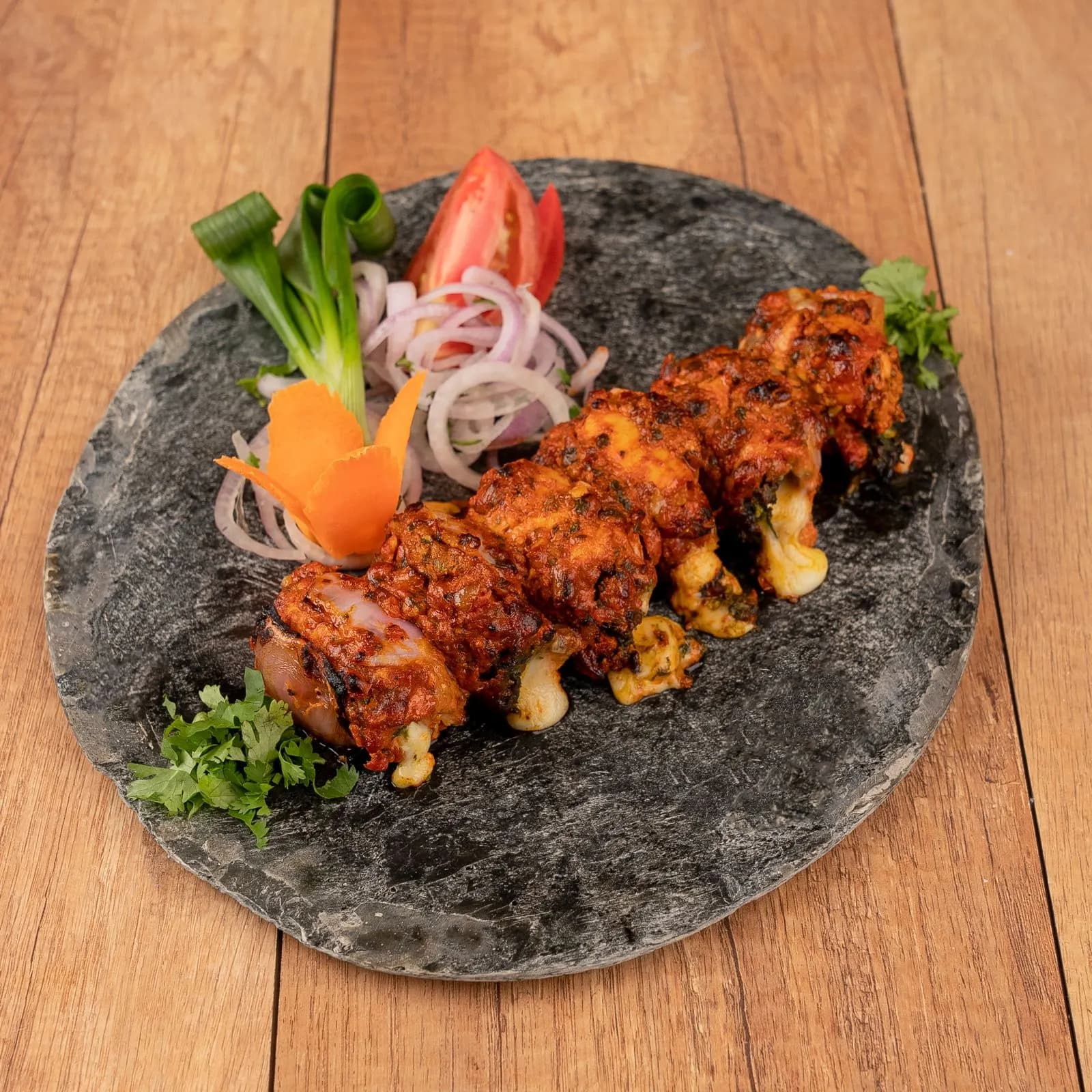
Decide the menu before the kitchen
A cloud kitchen has no dining room, so the listing is the shop. Start from a short menu of dishes that travel well and that you can cook the same way every time, then fit out the kitchen for that menu. Every extra dish is more stock, more prep and one more thing that can arrive cold.
Get the right FSSAI registration or licence
Every food business needs FSSAI registration or a licence before it sells. FSSAI revised the turnover limits with effect from 1 April 2026: registration for turnover up to ₹1.5 crore, a State licence above ₹1.5 crore and up to ₹50 crore, and a Central licence above ₹50 crore. Most new cloud kitchens start in the registration band. You apply on FSSAI's FoSCoS portal.
Which FSSAI document, by annual turnover
Registration
up to ₹1.5 crore
← most new cloud kitchens start here
State licence
₹1.5 – 50 crore
Central licence
above ₹50 crore
Understand how GST works on platform orders
The GST rules treat cooking and supplying food from a cloud kitchen as restaurant service, taxed at 5% without input tax credit. On orders that come through Zomato or Swiggy, the platform, not you, pays that GST. Both platforms still ask for your GSTIN certificate at sign-up, and those sales still count towards your own aggregate turnover for the GST registration threshold. Separately, the platform charges 18% GST on its own fees to you. Ask your accountant about registration and your direct orders.
Who pays which GST on a platform order
Customer
Pays for the food + 5% GST
Zomato / Swiggy
Pays the 5% food GST to the government
Deducts its fees + 18% GST on those fees
Your kitchen
Receives the payout
Sales still count to your GST turnover
Have the platform paperwork ready
Swiggy and Zomato ask for the same core set before they list you: copies of your FSSAI licence or registration, PAN card and GSTIN certificate, a cancelled cheque or bank passbook page for the account your payouts go to, and your menu. They also ask for the owner's name, a contact number and email, the outlet address with pincode, and your outlet's opening hours. Zomato's partner terms add that it can ask for these at any time and delist a restaurant that does not provide them. Keep clear copies in one folder before you start either sign-up.
The sign-up folder
- FSSAI licence or registration
- PAN card
- GSTIN certificate
- Cancelled cheque or bank passbook
- Menu
Plus these details
- Owner name
- Contact number
- Outlet address
- Pincode
- Opening hours
Price the menu for the platform take
From the payout statements we reconcile: the packaging charge is paid by the customer and added to your payout. Zomato charges its commission on food plus packaging, minus the discounts you fund yourself, before the customer's GST. Swiggy charges it on that value plus the customer's GST. The platform adds 18% GST on its fees. Commission rates vary by contract and city, so get your rate in writing and run every dish through it before the menu goes live.
Where a ₹300 dish goes on Zomato
Worked example · 25% commission
| Dish price | ₹300.00 |
| + Packaging (customer pays) | ₹20.00 |
| − Discount you fund | ₹30.00 |
| − Commission, 25% of ₹290 | ₹72.50 |
| − 18% GST on commission | ₹13.05 |
| You receive | ₹204.45 |
Launch the listing before you buy ads
In the first weeks the listing does the selling: clear photos, a sharp top three dishes, accurate delivery times and a rating you protect from day one. Ads only buy a higher slot in the list. Pay for them once the listing already turns visits into orders, not before.
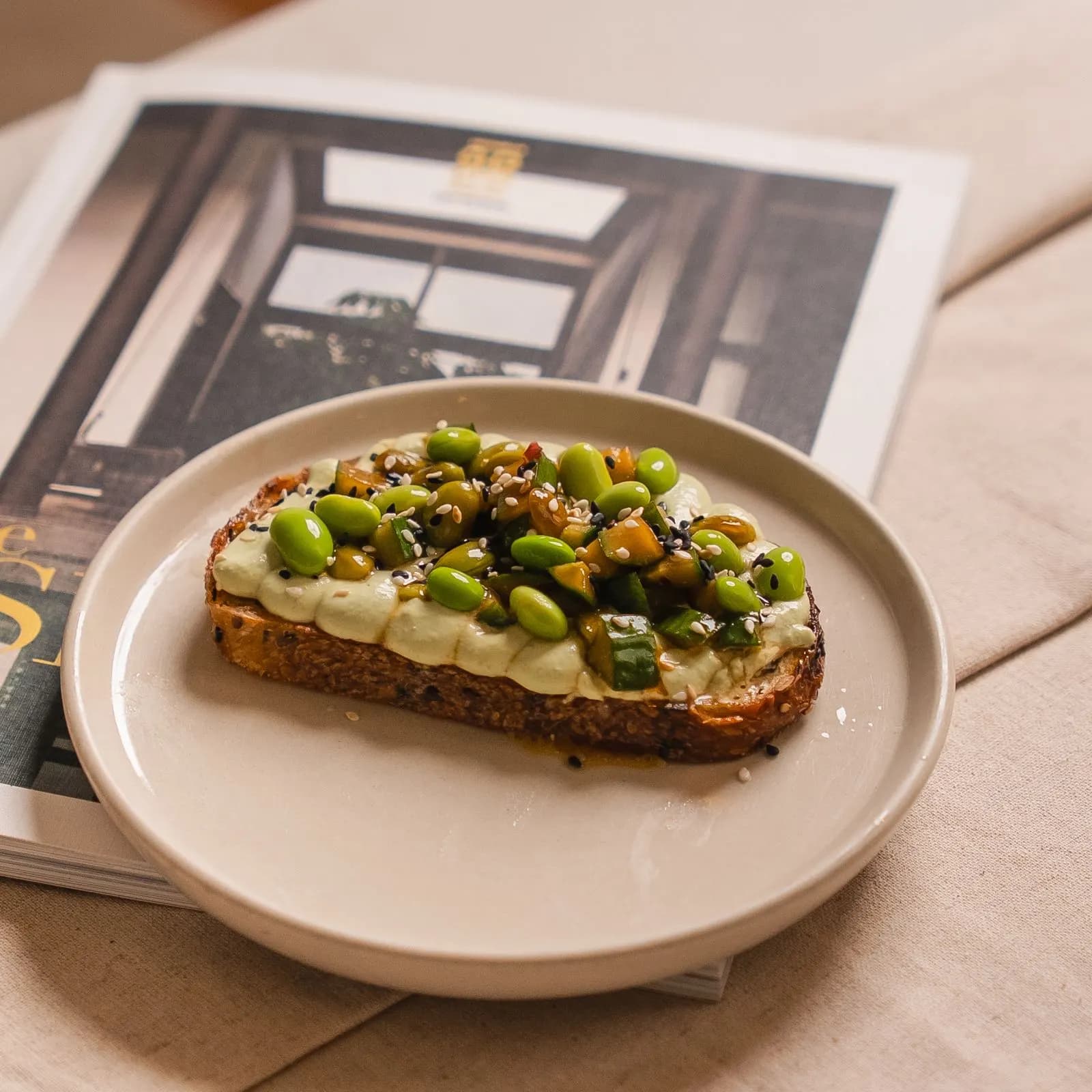 Photo © Vanilla Miel
This is the kind of work we run end to end as a Swiggy and Zomato agency for Mumbai restaurants.