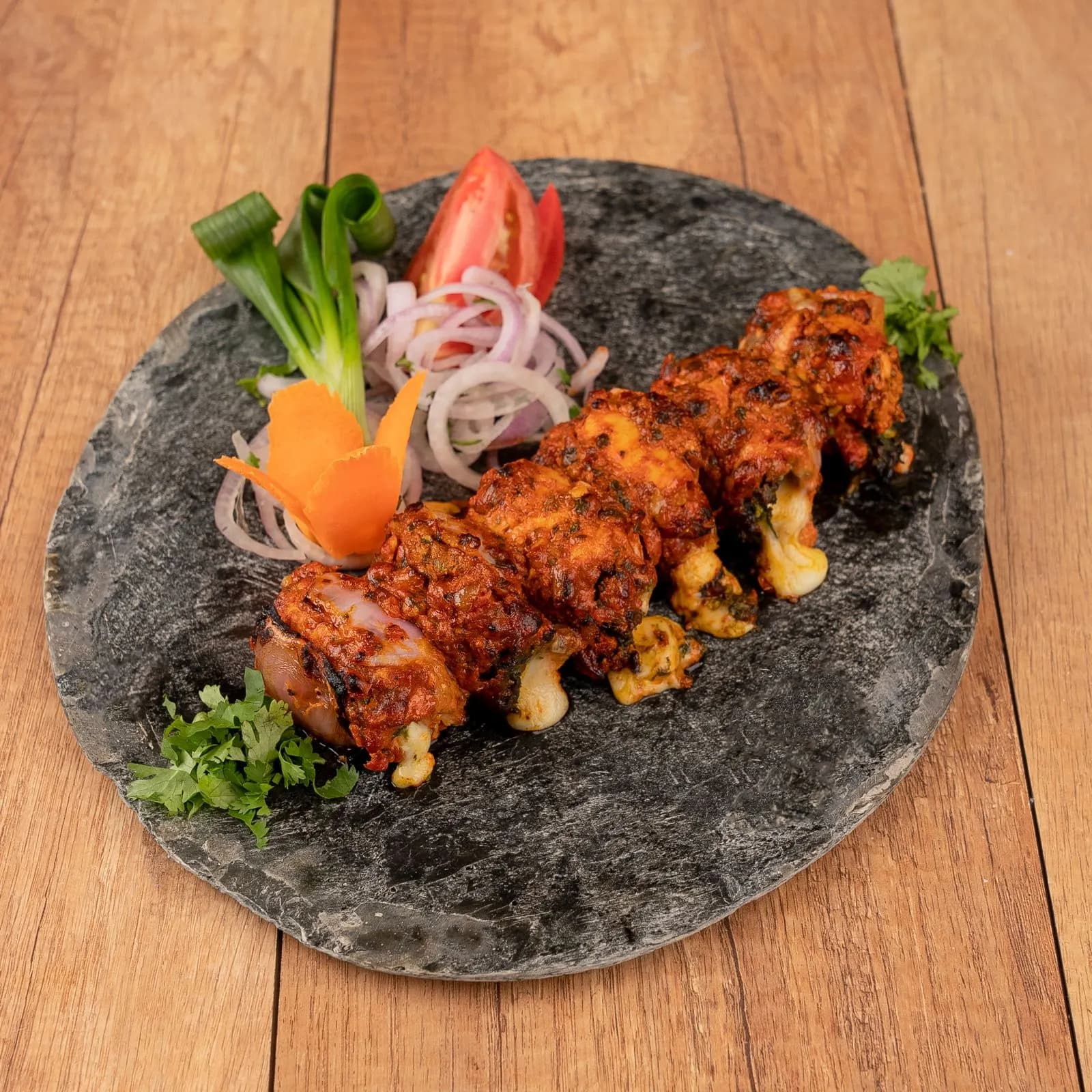
 Photo © Chakra
Have us run it
Want this handled every week?
On a plan, the same person at Nlyten runs your Swiggy and Zomato week to week: ads, offers, menu and payouts, with one set of numbers everyone trusts.
Zomato does not publish its formula. It has published enough about the rating, and the rules around it, to know what moves it and what gets a restaurant penalised.
6 Nov 2026 · 4 min read
The short answer
Zomato shows a restaurant two separate ratings, one for delivery and one for dining, and when a customer is ordering food they see only the delivery rating. Zomato says each rating is a proprietary weighted average of customer ratings that factors in recent experiences, and it does not publish the formula. Paying or asking customers for ratings is against Zomato's rules; Zomato says the only way to improve a rating is to serve good, hygienic food and keep customers happy.
Until 2020 a Zomato rating mixed dining and delivery reviews half and half. Zomato split them in May 2020, because it saw restaurants that were good to eat at but poor on delivery, and the other way round. A restaurant page now carries a delivery rating and a dining rating. The rating a customer sees depends on what they are doing: browsing to order food, they see only the delivery rating; planning to go out, they see only the dining rating. Zomato launched it with red stars for delivery and black for dining. So for a delivery kitchen, the delivery rating is the only one most customers will see.
Zomato's review policy says a restaurant's rating is calculated using a proprietary weighted average that factors in recent experiences, among other things. Since May 2020 Zomato has treated the formula as confidential and says it will not release any details of how ratings are calculated. What it does say is that customers' reviews feed the rating, so the score comes from the people who ordered, not from Zomato. Zomato also uses an algorithm to remove suspicious reviews, so ratings it treats as fake do not count.
Zomato's guidelines allow one review per experience, for ordering or dining. Reviews describing experiences older than six months may be deleted. Fake, deceptive or misleading reviews are removed, as are reviews from someone who clearly never ordered or visited, reviews written to blackmail a restaurant, and abusive ones. Restaurant owners, employees and anyone with a business interest are not allowed to review on Zomato at all. If you see a review that breaks these rules, report it to help@zomato.com. Zomato says it will consider the report, but a review you disagree with will not be removed just for being negative.
Zomato's guidelines for restaurants are strict on solicitation. You cannot offer freebies, discounts or payment for reviews, offer anything for a customer to remove a review, have staff compete to collect reviews, or hire an agency that offers to fix your ratings. Inviting a customer who left a low rating back for a free meal is also on the list. If Zomato finds evidence of solicitation, it shows a notice on your page telling customers your reviews are suspicious. When it tightened the system in 2020, it nullified the effect of past solicitation on ratings and said restaurants that had solicited would see their ratings fall. Zomato's partner terms, last updated 13 February 2023, also bar you from using customer data for feedback messages or unsolicited marketing.
What counts on Zomato, and what gets removed
Counts toward your rating
Removed or penalised
You can post a management response to a review. Zomato's guidelines ask you not to use it to hit back, and not to offer the customer anything to edit the review. A response cannot be edited after you post it, so write it once and write it well: thank them, say what went wrong and what you have changed. A reply is not there to change the score. It shows the next customer reading the page that someone in the kitchen is paying attention.
Zomato's partner terms say ratings depend on many factors, including each customer's experience with your restaurant, and that Zomato has no control over them. The same terms require you to resolve complaints Zomato passes on about the quality, quantity or taste of the food and about special instructions the customer gave, and let Zomato act against a restaurant whose customers' experience suffers from things like frequent order rejections. So the levers are in the kitchen: dishes that travel well, packaging that holds, the right items in every bag, instructions followed, and orders accepted and handed over on time. Read every new review each week, find the one or two complaints that keep coming back, and fix those first.
This is the kind of work we run end to end as a Swiggy and Zomato agency for Mumbai restaurants.
Photo © ChakraHave us run it
On a plan, the same person at Nlyten runs your Swiggy and Zomato week to week: ads, offers, menu and payouts, with one set of numbers everyone trusts.
FAQ
Zomato says a restaurant's rating is a proprietary weighted average of customer ratings that factors in recent experiences, among other considerations. It does not publish the formula and has treated it as confidential since May 2020.
One call is enough to know whether we can help. If we can't, we'll say so.