Restaurant profit margin: how to work out yours, dish by dish and channel by channel

There is no official margin to aim for. There is a sum you can do every month from your own bills and payout statements, and it tells you more than any benchmark.

8 Nov 2026 · 4 min read

The short answer

We have found no standard profit margin for Indian restaurants published by a government body or a platform, so any single percentage you read is an estimate from someone else's business. Your margin is what is left of your sales after food cost, packaging boxes, staff, rent and utilities and, on delivery, everything Zomato and Swiggy deduct before paying you. On five delivery outlets we manage, the money that reached the bank from September 2026 settlements was ₹59.8 of every ₹100 of food and packaging sales on Zomato and ₹55.9 on Swiggy, before any of the kitchen's own costs.

There is no official benchmark to aim for

We have found no figure from FSSAI, the GST department, Zomato or Swiggy for what a restaurant should earn. Margins depend on your rent, your menu, your city, your mix of dine-in and delivery, and your contract with each platform. So skip the benchmark and work from your own books. Two numbers matter. Gross margin per dish is the selling price minus the ingredients and the box. Net margin for the month is what is left of total sales after every cost, divided by total sales. Work out both, then watch how they move month to month.

Cost every dish before you look at the month

Start with the dish, because that is where margin is made or lost. Add up the cost of each ingredient at the quantity that goes into one portion, including the garnish and the oil. Add the box, the bag and the cutlery you send with it. Then compare that to what you actually receive for the dish, not to the menu price. On delivery, the packaging charge the customer pays is added to your payout, so it counts as income; the boxes you buy are a separate cost. A dish that looks profitable at the menu price can lose money once the platform's share comes out.

On delivery, start from what reaches the bank

The menu price is not your delivery revenue. Your revenue is the payout. On the September 2026 settlement statements of five delivery outlets we manage, Zomato paid out ₹59.8 and Swiggy ₹55.9 of every ₹100 of food and packaging sales. Those figures are after the platform's fees and the GST on them, ads, the discounts the restaurant funded, and refunds and penalties on complaints and cancellations. Swiggy's lower share came from four lines: higher platform fees, more ads, more discounts and more complaint deductions. Your own share depends on your contract, your ads and your discounts, so take it from your own statements.

What reached the bank from ₹100 of food and packaging sales

Five delivery outlets · September 2026

Zomato₹59.8
Swiggy₹55.9

Why Swiggy paid ₹3.9 less per ₹100

Platform fees and GST on them
₹1.5
Ads
₹0.9
Discounts you fund
₹0.8
Complaints and cancellations
₹0.7
From the settlement statements of five delivery outlets we manage, 4,441 delivered orders on Swiggy and 4,725 on Zomato, reconciled to the payout. Before food, staff, rent and the kitchen's other costs. Your own share depends on your contract, ads and discounts. Check your own payout file →

The GST on platform fees is a cost you cannot claim back

CBIC's Circular 164/20/2021 treats cooking and supplying food from a cloud kitchen or central kitchen as restaurant service, taxed at 5% without input tax credit. Without input tax credit, the 18% GST the platforms charge on their fees and on your ads cannot be set off against anything, so it is part of your cost. On the statements we reconcile, every ad deduction carries that 18% GST, so a ₹10,000 ad budget costs ₹11,800 in cash. The 5% GST on the food itself is different: under Circular 167/23/2021, on orders placed through Zomato or Swiggy the platform pays it, and the customer pays for it on top of the price. If your restaurant is inside a hotel, the rate can differ, so check with your accountant.

Count discounts and ads as costs of the sale

A discount you fund is money off your revenue, even when it brings the order. On both platforms, the discounts you fund lower the amount the commission is charged on, but they still cost you more than they save. Discounts the platform funds do not come out of your payout. Ads are a cost too, and they are charged whether or not the extra orders arrive. Put both in the monthly sum as their own lines, so you can see what each one cost against the sales it came with.

Work out your margin every month

Take one month. Add your sales by channel: dine-in, takeaway, Zomato, Swiggy and your own deliveries. For the platforms, use the payout, not the menu value. Subtract the food and box cost for what you sold, staff salaries, rent, electricity and gas, and any other bills. Divide what is left by your total sales: that is your net margin. Then do it for each channel on its own, with its share of the costs. A restaurant that makes money overall can be losing it on one channel, and the monthly sum is the only way to see which.

This is the kind of work we run end to end as a Swiggy and Zomato agency for Mumbai restaurants.

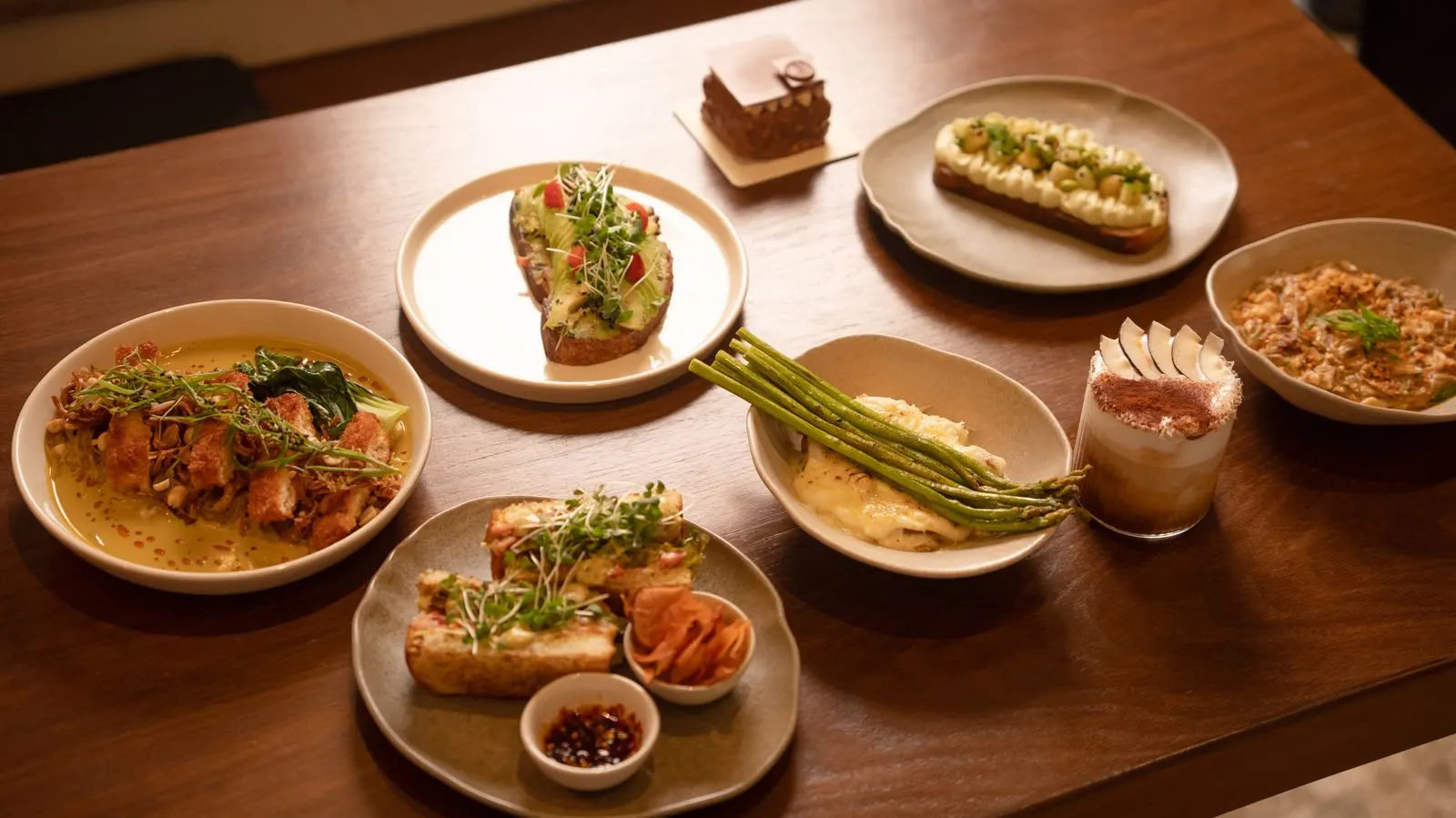
A spread of Vanilla Miel dishes on a wooden tablePhoto © Vanilla Miel

The Nlyten audit · ₹10,000

Find out exactly where your Swiggy and Zomato money goes.

We pull your real numbers and write it up: where the money is leaking, what is fixable and what it is worth, with a 45-minute walkthrough of the findings. Yours to keep, whether or not you work with us.

Not sure yet? Book a discovery call first. No charge.

FAQ

Frequently asked questions

There is no official figure that we have found from FSSAI, the GST department, Zomato or Swiggy, and margins vary with rent, menu, city and channel mix. Work out your own net margin each month and judge it against your own earlier months.

Want this run on your numbers?

One call is enough to know whether we can help. If we can't, we'll say so.